
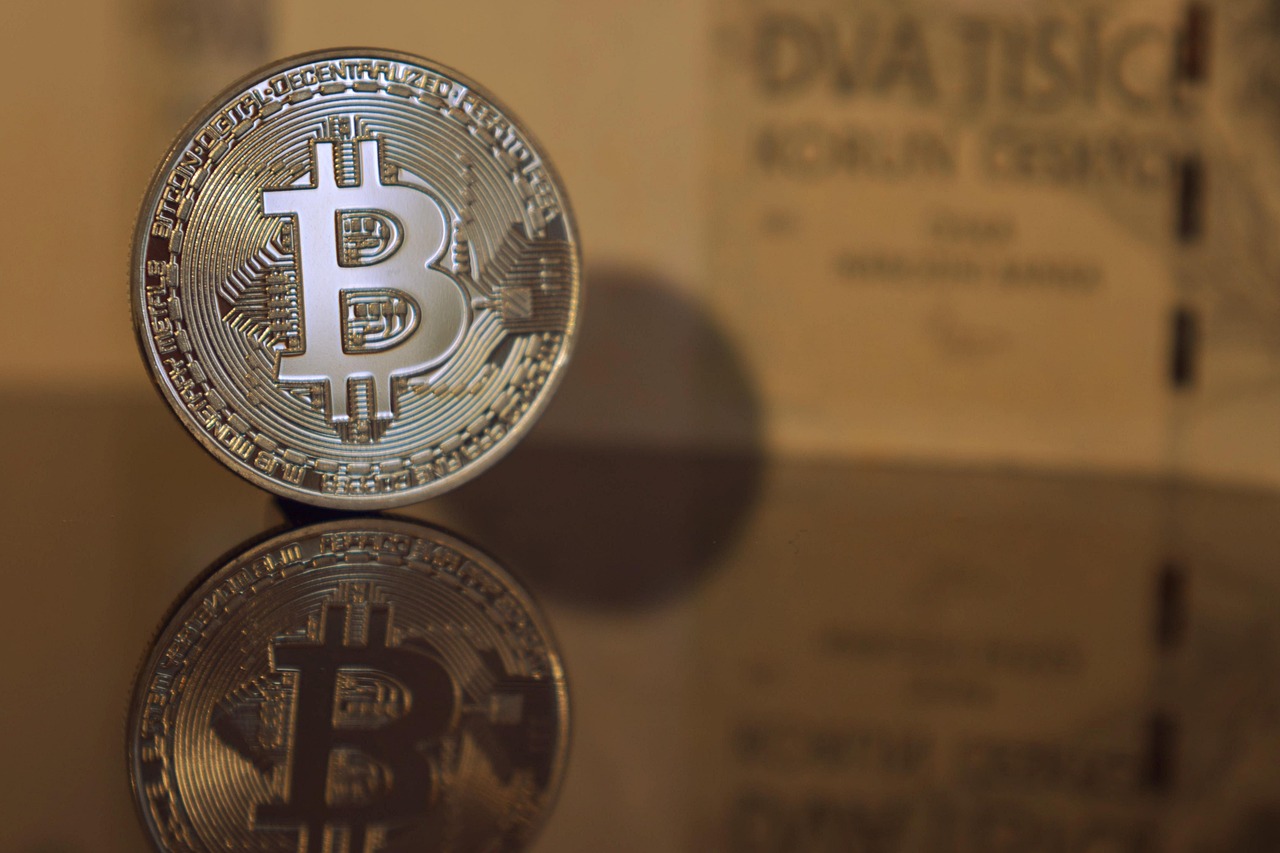
Hire a private investigator to recover stolen bitcoin: the complete guide to blockchain forensics, crypto theft investigation and asset recovery from Private Investigator Cloud Ltd
The moment a person realises their bitcoin has been stolen, the experience is unlike most other financial losses. It is not like a missing bank transfer where a customer service team can trace the routing and initiate a reversal. It is not like a stolen credit card where the bank applies fraud protection and credits the account. Bitcoin transactions are irreversible by design, confirmed on a distributed ledger that no authority controls, and the pseudonymous addresses involved provide no immediate identity information to the person desperately searching their wallet transaction history for an explanation of where their assets have gone. The speed of the theft is often breathtaking. An entire bitcoin holding can move from a wallet to a series of unknown addresses in seconds, before the victim has registered what is happening.
The reality behind this initial experience, however, is more nuanced and more hopeful than the immediate shock suggests. The same properties that make bitcoin transactions irreversible and pseudonymous also make them permanently and publicly recorded on a transparent blockchain ledger that can be read, analysed, and traced by specialists who know how to do it. Every bitcoin transaction that has ever occurred is recorded on the Bitcoin blockchain, available for analysis by anyone with the tools and expertise to conduct that analysis meaningfully. The pseudonymous addresses that appear anonymous to a layperson are, to a professional blockchain forensics investigator, a trail.
Hiring a private investigator to recover stolen bitcoin means engaging that professional expertise. Private Investigator Cloud Ltd provides blockchain forensics investigation, bitcoin theft tracing, regulatory referral support, exchange co-operation assistance, and comprehensive crypto theft investigation services to clients whose bitcoin has been stolen or lost through theft, fraud, or compromise. Our team combines certified blockchain analytics capability with licensed private investigation authority, digital forensics expertise, and account recovery services to deliver the most comprehensive stolen bitcoin investigation available from a single professional firm.
Contact our team immediately at https://privateinvestigator.cloud/contact/ or explore the full service portfolio at https://privateinvestigator.cloud/services/.
🪙1. What does it mean to hire a private investigator to recover stolen bitcoin?
The professional service of recovering stolen bitcoin combines disciplines that sit at the intersection of blockchain technology, financial investigation, digital forensics, and private investigation law. It is not a technical hacking service claiming to reverse blockchain transactions: those claims are false and should be treated with immediate scepticism. It is a structured professional investigation service that applies the genuine tools and methodologies available to identify where stolen bitcoin has gone, who is most likely in control of it, and what legal and regulatory mechanisms can be applied to facilitate recovery or compensation.
Private Investigator Cloud Ltd’s approach to stolen bitcoin recovery is structured around what professional investigation can realistically achieve. Our blockchain forensics specialists trace the on-chain movement of stolen bitcoin using professional analytics platforms comparable to Chainalysis at https://www.chainalysis.com/. Our investigation team builds regulatory referral packages for law enforcement including the FBI Internet Crime Complaint Center at https://www.ic3.gov/ and Action Fraud UK at https://www.actionfraud.police.uk/. Our digital forensics specialists investigate the device and account compromise that enabled the theft in the first place. Read about our full team at https://privateinvestigator.cloud/about-us/.
What components make up a professional stolen bitcoin investigation?
- Blockchain transaction tracing following the stolen bitcoin from the victim’s wallet address through subsequent transactions
- Exchange interaction analysis identifying where stolen bitcoin has been deposited at centralised exchanges
- Mixing and tumbling analysis identifying attempts to obscure the trail through privacy-enhancing techniques
- Wallet attribution identifying the controlling entities behind receiving addresses where possible
- Regulatory referral package building evidence to support law enforcement and exchange co-operation
- Device and account forensics investigating the compromise vector that enabled the theft
- Legal evidence report preparation for civil proceedings, asset recovery, or insurance claims
⚡2. What should I do immediately after my bitcoin is stolen?
Time is a critical factor in stolen bitcoin investigation. While the blockchain itself is a permanent record that does not expire, the practical windows for certain recovery actions are time-limited. Exchange compliance teams are more likely to respond to freeze requests if they are submitted quickly after a theft event. Device forensics evidence degrades as new data is written to device storage. Account compromise evidence may be overwritten or deleted by an attacker who maintains access to the compromised accounts. Acting immediately maximises the recovery options available.
What are the most important immediate steps after bitcoin is stolen?
- Document the theft: record every relevant transaction identifier (TXID), wallet address, and timestamp from the transaction history immediately. Take screenshots and record all details while they are fresh.
- Secure any remaining cryptocurrency assets: if any bitcoin or other cryptocurrency remains in wallets or exchange accounts connected to the theft, move it immediately to a new wallet generated with a new seed phrase, on a device that has not been part of the compromised environment.
- Secure associated accounts: change passwords and two-factor authentication on all email, exchange, and financial accounts associated with the compromised environment, starting with the highest-value accounts.
- Preserve device evidence: do not factory reset, reinstall operating systems, or delete any data from devices that may have been part of the compromise. Device forensics from these devices may identify the attack vector.
- Preserve account evidence: do not delete suspicious emails, messages, or applications associated with the compromise event. This evidence may be significant in the investigation.
- Contact Private Investigator Cloud Ltd at https://privateinvestigator.cloud/contact/ immediately to begin the investigation while the evidence is freshest and recovery windows are open.
⚖️3. Is it legal to hire a private investigator to recover stolen bitcoin?
Stolen bitcoin recovery investigation operates within clear legal frameworks in all major jurisdictions. The Bitcoin blockchain at https://bitcoin.org/en/ is a publicly readable ledger. Analysing its transaction data using professional blockchain forensics tools is lawful data analysis, not unlawful access. Submitting regulatory referrals to law enforcement and financial regulatory bodies is a lawful and encouraged response to financial crime. Contacting exchanges with evidence documentation requesting compliance assistance is a lawful pursuit of asset recovery through official channels.
What is not lawful, and what Private Investigator Cloud Ltd never offers, is any service claiming to “reverse” or “hack” the blockchain to retrieve stolen assets, or any service accessing third-party accounts without consent. These claims are both technically false and legally problematic. The UK National Cyber Security Centre at https://www.ncsc.gov.uk/ and the US Cybersecurity and Infrastructure Security Agency at https://www.cisa.gov/ both publish guidance on lawful cybersecurity and digital investigation services within which legitimate bitcoin recovery investigation operates.
🧩4. What are the most common bitcoin theft methods in 2026?
Understanding how bitcoin was stolen is not only satisfying for the victim’s need to understand what happened. It is operationally important for the investigation because the theft method determines what digital evidence was generated, where that evidence exists, what the optimal investigation strategy is, and what the most viable recovery pathways are.
What are the distinct bitcoin theft categories and their evidence patterns?
- Exchange account compromise through email or SIM-swap attack: the attacker gained control of the victim’s email account, used it to reset the exchange account password, and withdrew bitcoin from the exchange. Evidence exists in email and account logs. Recovery involves exchange compliance engagement and account-level investigation.
- Private key theft through malware: malicious software installed on the victim’s device captured the private key or seed phrase. Evidence exists in device forensics. Recovery involves tracing the thief’s wallet through blockchain forensics.
- Phishing attack: a fake exchange, wallet, or DeFi platform captured the victim’s credentials or seed phrase. Evidence exists in the phishing infrastructure and email/message records. Recovery involves blockchain tracing from the phishing wallet address.
- Social engineering investment fraud: the attacker built trust through social media or messaging platforms and directed the victim to send bitcoin to an address they controlled. Evidence exists in the communication records and blockchain transaction history. Recovery involves social media investigation, communication forensics, and blockchain tracing.
- Seed phrase exposure: the victim’s wallet seed phrase was captured through a compromised backup, a fake wallet application, or a social engineering approach. Evidence exists in the seed phrase exposure vector.
- Clipboard hijacking malware: malware replaced copied wallet addresses with the attacker’s address in real time. Evidence exists in device forensics.
🔬5. How does blockchain forensics investigation trace stolen bitcoin?
The Bitcoin blockchain is a publicly accessible, permanently recorded, cryptographically verified transaction ledger. Every transaction that has ever been confirmed on the Bitcoin network is permanently visible to anyone who queries the blockchain. This transparency is what makes professional blockchain forensics investigation possible and meaningful: there is no statute of limitations on blockchain evidence because the evidence never disappears. Transactions from years ago are as readable today as transactions from yesterday.
Professional blockchain forensics applies both the analytical frameworks developed by specialist firms and the investigator’s expert interpretation of on-chain data patterns to follow stolen bitcoin across the ledger. Our team uses blockchain analytics comparable to the methodology developed by Chainalysis at https://www.chainalysis.com/. The Chainalysis Reactor Certification held by our specialists confirms their competence in applying professional blockchain analytics to investigation and evidence production.
What are the key stages of blockchain forensics investigation for stolen bitcoin?
- Theft transaction identification: establishing the specific transaction identifiers and wallet addresses associated with the theft event using the victim’s provided information
- Initial movement tracing: following the bitcoin from the theft transaction through its immediate subsequent transactions
- Network propagation analysis: mapping the full set of subsequent transactions, wallet addresses, and transaction patterns connected to the stolen funds
- Exchange interaction identification: identifying transactions that represent deposits at centralised cryptocurrency exchanges, which are the most significant recovery opportunity points
- Mixing and obfuscation analysis: identifying whether the attacker applied mixing, tumbling, or other privacy-enhancing techniques to obscure the trail, and applying counter-analysis
- Cluster analysis: applying address clustering methodology to identify groups of addresses likely controlled by the same entity
- Attribution: connecting identified wallet addresses and clusters to known entities including exchanges, services, and in some cases specific identified actors
- Evidence report production: documenting the complete traced path of stolen funds in a format suitable for regulatory referral, exchange co-operation, and legal proceedings
📊6. Can stolen bitcoin actually be recovered and what determines success?
Setting realistic expectations is one of the most important services a professional stolen bitcoin investigator provides. Clients deserve an honest assessment of what professional investigation can achieve rather than promises that exceed what is technically and legally possible. The critical distinction is between what investigation can establish and what it can recover: investigation can almost always establish where stolen bitcoin went; recovery depends on whether a viable mechanism to convert that knowledge into returned assets exists in the specific case.
The primary recovery pathway is through exchange compliance. When stolen bitcoin is deposited at a regulated centralised exchange, the exchange’s compliance infrastructure, its Anti-Money Laundering (AML) obligations, and its co-operation with law enforcement referrals create a mechanism through which funds deposited in the theft’s wake can potentially be frozen and, through legal process, returned. The effectiveness of this pathway depends on the exchange’s regulatory status, the jurisdiction it operates under, how quickly the referral is submitted after deposit, and whether the relevant law enforcement engagement proceeds effectively.
What factors determine the probability of recovering stolen bitcoin?
- Speed of investigation initiation: the faster professional investigation begins after theft, the higher the probability that exchange compliance windows are still open
- Exchange deposit identification: stolen bitcoin deposited at regulated exchanges presents the strongest recovery opportunity
- Jurisdictional co-operation: exchanges operating under responsive regulatory frameworks are more likely to freeze funds on law enforcement referral
- Investigation quality: professional blockchain forensics that produces clear, well-documented exchange deposit evidence is more likely to obtain exchange compliance action than informal or poorly documented reports
- Regulatory referral quality: a well-structured regulatory referral package for the FBI Internet Crime Complaint Center at https://www.ic3.gov/ or Action Fraud UK at https://www.actionfraud.police.uk/ is more likely to produce law enforcement engagement
- Legal proceedings: in cases where significant value is involved, civil proceedings supported by blockchain forensics evidence can compel exchange co-operation through legal process
🗺️7. How does a private investigator trace stolen bitcoin across different blockchain networks?
Bitcoin theft cases in 2026 increasingly involve movement of stolen assets across multiple blockchain networks. Sophisticated attackers convert bitcoin to Ethereum at https://ethereum.org/, to USDT or other stablecoins on the Tron or BNB Smart Chain networks, or to other cryptocurrencies through decentralised exchanges and cross-chain bridge protocols, specifically to make blockchain tracing more complex by requiring investigators to follow assets across multiple ledgers using different analytical methodologies.
Private Investigator Cloud Ltd’s blockchain forensics capability covers the Bitcoin network at https://bitcoin.org/en/ as the primary asset in these cases, alongside the Ethereum network, major stablecoin networks including USDT on Tron and BNB Smart Chain, and other significant blockchain protocols as required by the specific case. Cross-chain tracing applies specialist knowledge of how bridge protocols record transactions, how cross-chain swaps are structured on decentralised exchanges, and how to maintain investigative continuity across network transitions.
What multi-chain bitcoin theft scenarios are most commonly investigated?
- Bitcoin to Ethereum bridge transfer: stolen bitcoin wrapped through a cross-chain bridge to the Ethereum network as WBTC or through direct bridge protocols
- Bitcoin to stablecoin conversion: stolen bitcoin converted to USDT, USDC, or other stablecoins on centralised or decentralised exchanges to facilitate easier movement through the financial system
- Bitcoin to altcoin conversion: stolen bitcoin converted to lower-volume cryptocurrencies specifically chosen to reduce analytics coverage
- DeFi protocol routing: stolen funds routed through decentralised finance protocol transactions including liquidity pool deposits, lending protocols, and governance token swaps designed to obscure the trail
- Mixing service utilisation: stolen bitcoin run through mixing protocols or CoinJoin transactions to break the direct linkage between input and output addresses
💱8. How do exchanges and financial regulators support stolen bitcoin recovery?
The most practically significant recovery mechanism for stolen bitcoin is through centralised exchange compliance. Major regulated exchanges including Binance, Coinbase, Kraken, OKX, Bybit, and others operate under AML and Know Your Customer (KYC) regulatory frameworks in their respective jurisdictions. These frameworks require exchanges to maintain identity records for their account holders and to respond to law enforcement requests to freeze assets associated with documented financial crime.
When professional blockchain forensics identifies that stolen bitcoin has been deposited at a specific exchange, Private Investigator Cloud Ltd’s investigation report documents the theft transaction, the tracing path from the victim’s wallet to the exchange deposit address, and the specific exchange account into which the funds were deposited. This documentation, submitted through the appropriate regulatory referral channels, supports the exchange’s compliance team in identifying the relevant account and initiating a freeze while law enforcement engagement proceeds.
What regulatory engagement supports stolen bitcoin recovery?
- FBI Internet Crime Complaint Center (IC3) at https://www.ic3.gov/: the primary US federal reporting mechanism for cryptocurrency theft cases, with Virtual Asset Exploitation Unit (VAXU) resources dedicated to crypto crime
- Action Fraud UK at https://www.actionfraud.police.uk/: the UK’s national fraud and cyber crime reporting centre, with referral pathways to the National Economic Crime Centre
- Financial Conduct Authority (FCA): the UK’s financial services regulator with jurisdiction over certain exchange operators and their AML compliance obligations
- FinCEN in the USA: the Financial Crimes Enforcement Network, with jurisdiction over money service businesses including cryptocurrency exchanges operating in or serving US customers
- Exchange compliance teams: direct engagement with exchange compliance departments using professional investigation documentation to request account review and asset freezing
- Civil proceedings: court orders including freezing injunctions can compel exchange co-operation in significant value cases where voluntary compliance is not achieved
📱9. How does device forensics support a stolen bitcoin investigation?
The device used to manage a bitcoin wallet, access a cryptocurrency exchange, or interact with a DeFi protocol is a key evidence source in stolen bitcoin investigation. Whether the theft resulted from malware installed on a smartphone, a phishing page visited on a laptop, a WhatsApp social engineering conversation, or a fake wallet application installed on a tablet, the device involved in the compromise event holds forensic evidence of what happened. Recovering and documenting that evidence is a critical component of the complete stolen bitcoin investigation.
Private Investigator Cloud Ltd’s mobile and digital forensics team applies professional extraction platforms from Cellebrite at https://www.cellebrite.com/ and Oxygen Forensics at https://www.oxygen-forensic.com/ to devices involved in bitcoin theft cases. This device-level evidence supports the identification of the attack vector, the documentation of attacker communication, and in cases involving social engineering, the recovery of the conversations through which the attacker gained the trust and cooperation of the victim.
What device forensics evidence is most significant in bitcoin theft cases?
- Malware artefacts: evidence of malicious applications, keyloggers, clipboard hijackers, or remote access tools installed on the victim’s device before the theft
- Phishing site visit records: browser history and network connection records showing visits to fake exchange or wallet websites designed to capture credentials
- WhatsApp and messaging app records: communication evidence from social engineering attacks conducted through WhatsApp, Telegram, or other messaging platforms
- Email records: phishing emails that delivered credential-capturing links or malware to the victim’s device
- Wallet application data: evidence of fake or compromised wallet applications that captured seed phrases on installation
- Connection logs: network connection records showing connections to attacker-controlled infrastructure
- Clipboard data records: evidence of clipboard content interception by malware
💻10. How does account access recovery support a bitcoin theft investigation?
Bitcoin theft cases frequently involve multi-layered account compromise where the attacker did not simply take the bitcoin and leave. In many cases, the attacker maintains control of the victim’s email account, exchange accounts, and social media accounts after the bitcoin has been taken, either to prevent the victim from engaging in the recovery process or to use those accounts for further fraudulent activity. Recovering control of these accounts is simultaneously a protection measure and an evidence measure.
Private Investigator Cloud Ltd’s account recovery capability addresses the full range of accounts commonly compromised in bitcoin theft cases. Email account recovery for Gmail at https://support.google.com/accounts/answer/7682439, Yahoo at https://help.yahoo.com/kb/account, and Outlook at https://account.microsoft.com/account/recover is co-ordinated alongside social media account recovery for Facebook at https://www.facebook.com/help/1216349518398524, Instagram at https://help.instagram.com/, Snapchat at https://support.snapchat.com/, and Discord at https://discord.com/safety. We address these as an integrated component of the overall bitcoin theft investigation engagement.
🏛️11. What legal proceedings can stolen bitcoin investigation support?
The legal dimension of stolen bitcoin cases has developed significantly as courts across all major jurisdictions have accumulated experience with cryptocurrency evidence. UK courts have issued freezing injunctions based on blockchain forensics evidence, ordered exchanges to produce account information, and in some cases recognised successful civil claims for the return of wrongfully obtained cryptocurrency. US courts have similarly demonstrated a growing body of cryptocurrency-related precedent, and equivalent developments have occurred in Canada and Australia.
Professional blockchain forensics evidence produced by Private Investigator Cloud Ltd follows the evidential standards established in the NIST Cybersecurity Framework at https://www.nist.gov/cyberframework and the NIST Computer Security Incident Handling Guide at https://nvlpubs.nist.gov/nistpubs/SpecialPublications/NIST.SP.800-61r2.pdf. Our expert witness reports are structured to the civil evidence standards applicable in UK, US, Canadian, and Australian proceedings. For clients instructing solicitors, barristers, or attorneys in connection with stolen bitcoin cases, we operate as a specialist investigation and forensics partner alongside legal counsel.
What legal proceedings are most commonly supported by stolen bitcoin investigation?
- Civil asset recovery proceedings: court applications for freezing orders against exchange accounts holding stolen funds, supported by blockchain forensics evidence
- Criminal complaints: structured evidence packages submitted to law enforcement that provide the factual foundation for criminal investigation of the theft
- Insurance claims: documentation of the theft, its value, and the investigation process supporting cryptocurrency theft insurance claims
- Civil fraud claims: proceedings against identifiable defendants where the blockchain forensics and open-source intelligence investigation has identified a specific person or organisation responsible
- Regulatory complaints: formal complaints to financial regulators about exchange conduct in connection with the facilitation or handling of stolen cryptocurrency
🌍12. How do I hire a private investigator to recover stolen bitcoin in the UK, USA, Canada and globally?
Bitcoin theft cases are inherently international. The stolen bitcoin may have originated from a UK wallet, been stolen by an attacker operating in Eastern Europe, moved through exchanges registered in the Seychelles, and ultimately deposited at a platform headquartered in the USA. The investigation and recovery process must operate across all relevant jurisdictions, requiring familiarity with the regulatory frameworks, law enforcement referral processes, and legal evidence standards applicable in multiple territories simultaneously.
Private Investigator Cloud Ltd’s international reach and multi-jurisdiction compliance knowledge makes us uniquely effective in cross-border bitcoin theft cases. We understand which regulatory referral mechanisms are most responsive in each major jurisdiction, which exchanges are most likely to co-operate under which national frameworks, and how to structure evidence to meet the evidentiary standards of multiple jurisdictions simultaneously when multi-jurisdictional proceedings are required.
- Hire a private investigator to recover stolen bitcoin UK: UK-headquartered with full compliance knowledge covering Action Fraud, the National Economic Crime Centre, the FCA, and UK civil court procedures for cryptocurrency freezing orders
- Hire a private investigator to recover stolen bitcoin USA: coverage of FBI IC3, FinCEN, SEC, CFTC, and state financial regulators alongside US civil court processes for cryptocurrency asset recovery
- Hire a private investigator to recover stolen bitcoin Canada: familiarity with RCMP cybercrime reporting, FINTRAC reporting obligations, and Canadian civil proceedings for cryptocurrency recovery
- Hire a private investigator to recover stolen bitcoin Australia: knowledge of Australian Federal Police cybercrime reporting, AUSTRAC obligations, and Australian civil proceedings
- Global bitcoin theft investigation: for cases involving exchanges and attackers across other jurisdictions including India, Singapore, Europe, and beyond, we identify and apply the most appropriate regulatory pathway for each specific case
🏢13. Who is Private Investigator Cloud Ltd and what blockchain forensics credentials do they hold?
The combination of capabilities required for effective stolen bitcoin recovery is exactly what Private Investigator Cloud Ltd has built its practice around. Chainalysis Reactor Certification confirming professional blockchain forensics methodology. Mobile forensics capability to investigate the device compromise behind the theft. Account recovery capability to restore compromised email and exchange accounts. Licensed private investigation authority for the investigation work product. Legal evidence production capability for court-standard documentation. These capabilities operate as an integrated team within a single firm, avoiding the co-ordination complexity that arises when multiple separate specialists need to work together on a single case.
Our full credential set includes Chainalysis Reactor Certification, CEH from EC-Council at https://www.eccouncil.org/, OSCP from Offensive Security at https://www.offensive-security.com/, CISSP from ISC2 at https://www.isc2.org/, GIAC from SANS at https://www.sans.org/, CCME from Cellebrite at https://www.cellebrite.com/, EnCE, and CCFE. All independently verifiable. Read more about the full team at https://privateinvestigator.cloud/about-us/.
💰14. What does it cost to hire a private investigator to recover stolen bitcoin?
Bitcoin theft investigation pricing reflects the genuine variation in professional resource required across different case types. A straightforward case where stolen bitcoin moved directly to a single regulated exchange and the investigation requires tracing a small number of transactions is a materially different engagement from a complex case involving cross-chain movement through multiple DeFi protocols, mixing service usage, dozens of intermediate wallet addresses, and multi-jurisdiction regulatory referral requirements.
What are the main cost drivers in stolen bitcoin investigation?
- Blockchain tracing volume: the number of transactions and wallet addresses involved in the theft’s on-chain journey determines the core analytics resource required
- Network complexity: single-chain Bitcoin tracing is less resource-intensive than multi-chain tracing involving Ethereum, Tron, BNB Smart Chain, and cross-chain bridges
- Obfuscation complexity: cases involving mixing services, CoinJoin transactions, or multiple layers of DeFi interaction require more advanced counter-analytics work
- Regulatory referral scope: the number of regulatory bodies, jurisdictions, and exchange compliance engagements required
- Device forensics scope: whether the investigation requires mobile device or computer forensics alongside the blockchain analytics work
- Legal evidence production: whether the case requires expert witness reports, chain of custody documentation, and legal-standard evidence formatting for civil proceedings
Contact our team for a confidential initial case assessment at https://privateinvestigator.cloud/contact/. We provide a transparent cost estimate based on your specific theft details before any commitment is requested.
✅15. How do I hire a private investigator to recover stolen bitcoin safely and legally?
The stolen bitcoin recovery market contains a significant volume of operators making technically impossible promises to clients who are in a vulnerable position following a significant financial loss. Understanding what legitimate professional investigation can and cannot achieve, and what claims should immediately disqualify a provider, is protective knowledge for anyone who needs to hire a private investigator to recover stolen bitcoin.
- Reject any provider claiming to reverse blockchain transactions. This is technically impossible. No professional service, no matter how credentialed, can reverse a confirmed on-chain Bitcoin transaction. Any claim to do so is fraudulent.
- Verify blockchain analytics credentials. Chainalysis Reactor Certification is the most widely recognised professional blockchain forensics credential. Ask for the credential identifier and verify it directly with Chainalysis.
- Confirm registered business identity. A professional firm is a registered business with a verifiable registration number and a professional website. Anonymous operators should not be engaged for any financial investigation matter.
- Request a written engagement scope and cost. No professional firm begins work without confirming scope and cost in writing. Any provider requiring upfront payment without a written scope is a concern.
- Confirm that all investigation uses lawful methods exclusively. Professional stolen bitcoin investigation applies publicly available blockchain data, regulatory referral processes, and lawful exchange co-operation approaches.
- Contact Private Investigator Cloud Ltd at https://privateinvestigator.cloud/ or at https://privateinvestigator.cloud/contact/.
🙋16. What are the most common questions about hiring a private investigator to recover stolen bitcoin?
- Can you recover stolen bitcoin in 2026? Professional investigation can trace stolen bitcoin and identify exchange deposit pathways that support regulatory and legal recovery mechanisms. Actual asset return depends on whether the stolen funds reached a regulated exchange and whether the exchange compliance pathway produced a freeze and return. We provide honest case-specific assessments.
- How do I find a legit bitcoin recovery service? Verify blockchain analytics credentials such as Chainalysis Reactor Certification, confirm registered business identity, and reject any service claiming to reverse blockchain transactions. Private Investigator Cloud Ltd holds verifiable credentials and does not make impossible promises.
- What should I do after my bitcoin was stolen? Document the theft immediately, secure remaining assets, preserve device evidence, and contact Private Investigator Cloud Ltd immediately. Speed matters. Contact us at https://privateinvestigator.cloud/contact/.
- Can a private investigator recover stolen Ethereum or USDT as well as bitcoin? Yes. Our blockchain forensics capability covers Ethereum at https://ethereum.org/, major stablecoins including USDT, and all significant blockchain networks alongside the primary Bitcoin network at https://bitcoin.org/en/.
- What is the bitcoin recovery expert cost? Costs are case-specific based on tracing complexity, network coverage, regulatory engagement scope, and legal documentation requirements. We provide transparent cost estimates at the initial consultation stage.
- How long does stolen bitcoin investigation take? Initial blockchain tracing and exchange identification typically takes between three and ten working days depending on complexity. Regulatory and exchange engagement proceeds in parallel and its timeline depends on the responsiveness of the relevant institutions.
- Is there a trusted crypto recovery service near me? Physical proximity is not necessary for bitcoin recovery investigation. Private Investigator Cloud Ltd serves clients globally with all services delivered remotely. Geographic proximity does not affect the quality or effectiveness of blockchain forensics investigation.
- Can I recover scammed bitcoin from a fake investment platform? Social engineering investment fraud is one of the most common bitcoin theft scenarios we investigate. Blockchain tracing from the victim’s wallet address through the fake platform’s receiving wallets can identify exchange deposits and support regulatory action. Contact our team with the specific details for a case assessment.
- What is the best crypto recovery website or firm? The best firm holds verifiable blockchain forensics credentials, operates as a registered business, provides transparent scope and pricing, and does not make impossible promises. Private Investigator Cloud Ltd meets all of these standards. Verify our credentials directly with the issuing bodies.
- Can hiring a private investigator for bitcoin recovery help with a police report? Yes. Our investigation produces structured regulatory referral documentation for the FBI Internet Crime Complaint Center at https://www.ic3.gov/ and Action Fraud UK at https://www.actionfraud.police.uk/ that provides law enforcement with the blockchain forensics evidence they need to act effectively on the complaint.
📩17. How do I get started and hire a private investigator to recover stolen bitcoin today?
This guide has covered every dimension of hiring a private investigator to recover stolen bitcoin. The investigation components, the immediate actions after theft, the legal framework, the common theft methods and their evidence patterns, the blockchain forensics methodology, the realistic recovery probability factors, the exchange and regulatory pathways, the device forensics dimension, the legal proceedings support, the global jurisdiction coverage, and the safe engagement process are all addressed here.
The most important single action available to someone whose bitcoin has been stolen is to contact a professional investigator immediately. Every day of delayed investigation is a day in which exchange compliance windows narrow, device evidence degrades, and recovery options diminish. Private Investigator Cloud Ltd is available to begin the assessment process the same day of contact.
- Visit the homepage at https://privateinvestigator.cloud/
- Explore the full service range at https://privateinvestigator.cloud/services/
- Read about the team at https://privateinvestigator.cloud/about-us/
- Browse expert resources at https://privateinvestigator.cloud/blog/
- Contact the team immediately at https://privateinvestigator.cloud/contact/
Private Investigator Cloud Ltd. Certified blockchain forensics. Licensed private investigation. Professional stolen bitcoin recovery investigation globally. Contact us now: every hour matters.

0 Comments